Intuitive Tarot & Psychic Readings
What is Tarot? A Grounded Guide for Beginners
What is tarot? Tarot cards have a rich history that dates back to the 15th century in Europe; an even earlier appearance date is also possible. Tarot guide for beginners.
TAROT EDUCATION
Maya Britan
12/19/20255 min read
What Is Tarot? A Brief Overview
Tarot cards have a rich history that dates back to the 15th century in Europe; an even earlier appearance date is also possible. However, there is no concrete evidence to support the idea that tarot might have originated in Egypt. This is not too far-fetched an assumption based on mass migration from Egypt to Europe in the late 18th dynasty, where all of Akhenaton's believers, who were ATON (one God), were killed and destroyed. These Egyptian people did not mix well with other countries and thus were known to this day as "Gypsies" which is a Latin way to say "from Egypt".
What is tarot? The word 'tarot' has intriguing linguistic roots, particularly in the Semitic language of Hebrew. In Hebrew, the term 'torot' signifies studies or commandments, offering a profound connection to the notion of guidance and wisdom intrinsic to the tarot's purpose. Traditionally, the tarot is seen not merely as a tool for divination, but as a symbolic representation of universal truths and human experiences. This connection between the concepts of studies and commandments resonates deeply within the context of the 22 major arcana cards that populate a standard tarot deck.
It is possible that they brought the original tarot imagery with them, but whatever was left was overhauled by the European style of art and perception of hierarchy. So, although the transition of tarot from a mere game to a spiritual tool occurred during the late 18th century, the esoteric learning format was already in the tarot images to begin with. It was then that scholars and occultists, most notably Antoine Court de Gébelin, began to ascribe esoteric meanings to the card imagery. This marked the birth of the tarot as a significant symbol of divination and a method to gain self-reflection and clarity.
A traditional tarot deck consists of 78 cards, divided into two main categories: the Major Arcana and the Minor Arcana. The Major Arcana contains 22 master cards, which reflect significant life events and spiritual lessons.
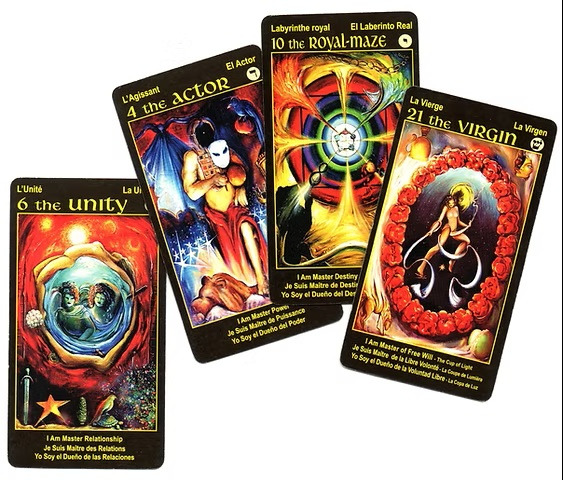
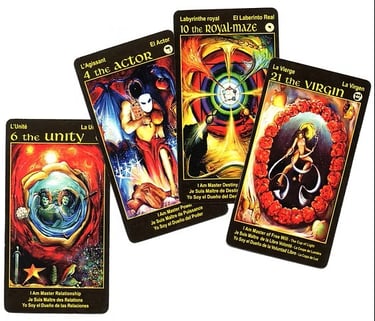
The Minor Arcana comprises 56 cards and is further divided into four suits of 4 ELEMENTS: Wands, Cups, Swords, and Pentacles. In the I Am One tarot cards, Two Headed Serpents, Pears Of Tears, Curved Blades, and Stones Of Age. Each suit relates to different aspects of life, such as creative energy, emotions, intellect, and material concerns. Understanding the structure and meaning of both the Major and Minor Arcana is essential for anyone seeking to explore tarot, as it lays the groundwork for interpretations and readings.
What Is Tarot? Symbolism Of Tarot Cards
The imagery and symbolism present in tarot cards serve as vital tools for conveying deeper meanings and reflecting universal truths about the human psyche. Each tarot card is rich with visual elements that allow practitioners to engage with their intuition and explore the complex narratives of their lives. For many, these symbols act as mirrors, revealing insights that may not be immediately apparent and fostering a greater understanding of personal experiences and spiritual journeys.
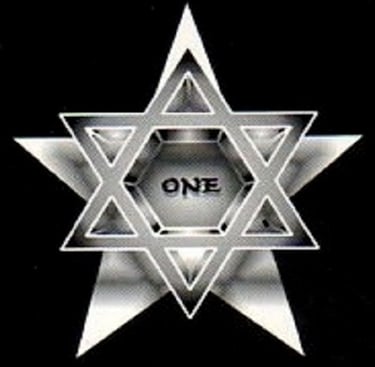
However, symbols by themselves can be limited, as the tapestry of our psychology is more complicated nowadays than it was thousands of years ago. The I Am One tarot cards are an example of the tarot evolution through time, as they do not deliver any symbolism at all. The concept of One is based on a belief structure that all things are created as an equal pair of oppositions, yet are all united as One idea.
Another essential aspect found in tarot is the Moon, Sun, Star, and Eclipse, which influence certain times and events accordingly. The moon typically adds intuition, mystery, and subconsciousness. The Sun, on the other hand, prompts individuals to take decisive action and produce results. The Star brings an outer worldly exploration, and an Eclipse will turn everything upside down with precise timing and location.
These examples illustrate how the elements within tarot cards connect not only to personal experiences but also to the broader collective consciousness globally and universally.
How Tarot Works: The Mechanics of Readings
Understanding how tarot works is essential for beginners who wish to explore this intriguing practice. Tarot readings involve several key steps that contribute to the overall experience and effectiveness of the session. The first stage is preparation, which requires the reader to get into a state of mind that is emotionally detached from the subject of the reading. In the case that you are the subject, one must be at ease and somewhat apathetic, as if you don't really care. I know! Not an easy thing to do, but a must first thing to do when dealing with tarot cards.
Remember that the environment for intuitive psychic at work begins with you - the reader.
The interpretation of the cards is the heart of a tarot reading. This process relies not only on the meanings of the cards themselves but also on the reader's intuition and the energy present during the reading. A skilled tarot reader will tune into their own intuitive abilities while also connecting with the energies of the querent, or the person receiving the reading. This connection helps to yield deeper insights that go beyond the surface meanings of the cards.
The next step involves selecting the appropriate tarot spread. A spread is the layout of cards used during a reading, and it can greatly influence the outcome of the session. Numerous types of spreads exist, ranging from simple three-card layouts to more complex arrangements like the Celtic Cross or the Spiral Spread Map of the I Am One Tarot deck of cards. Each spread carries its own significance and can provide varied perspectives on the subject matter being explored.
Each card's imagery and symbolism provide a gateway for exploration, inviting the querent to reflect on their life and circumstances. Through the careful blend of preparation, selecting a spread, and intuitive interpretation, tarot readings can offer meaningful guidance and clarification, making the practice accessible and profound for beginners.
Getting Started with Tarot: Tips for Beginners
For those embarking on a journey into the world of tarot, the initial steps can be intriguing yet overwhelming. It is essential to approach this ancient practice with an open mind and a willingness to explore. One of the first decisions a beginner should make is to choose a tarot deck that resonates personally. There are myriad tarot decks available, each with distinct artwork and symbolism. Selecting a deck that intuitively speaks to you, as if the deck of cards is selecting you, not the other way around, through imagery or connection to themes, will enhance your overall experience. In other words, you'd better feel passionate about the tarot deck of choice. Your enthusiasm is key to a successful reading.
What is tarot? Understanding the meanings of the tarot cards is crucial for reading. The traditional Rider-Waite deck is a popular starting point due to its extensive literature and interpretation guides, yet any deck of your choice will do. Beginners may benefit from studying each tarot card by using the 3-card daily spread in a way that you lay down 1 card for morning, 1 card for mid-day, and 1 card for evening. You do this first thing every day. Leave it open as it is and then study it by the end of the day. Now that you know everything that has happened during the day, relate it to each card (morning, day, and evening events).
Establishing a routine, whether it be daily card pulls, weekly readings, or even putting the cards under your pillow where you sleep at night (works specifically with the I Am One tarot cards), allows for consistent exploration. This practice not only aids in memorizing card meanings but also helps connect to your cards as if developing a unique relationship.
Resources for further exploration about what tarot is abound in the form of books, online courses, and social media platforms dedicated to tarot. Engaging with these resources nurtures a richer understanding and can guide you as you develop your own unique style in reading cards. Embrace the mysteries of tarot, and allow this ancient art to illuminate your path towards personal insight and empowerment.
Need personal clarity?
• Love Tarot Reading
• One Question Tarot Reading
• Online Tarot Reading
I Am ONE Tarot
© 2026 I Am One Tarot – Los Angeles, CA. All rights reserved.
Privacy Policy & Terms
Intuitive Tarot Readings Online & Los Angeles